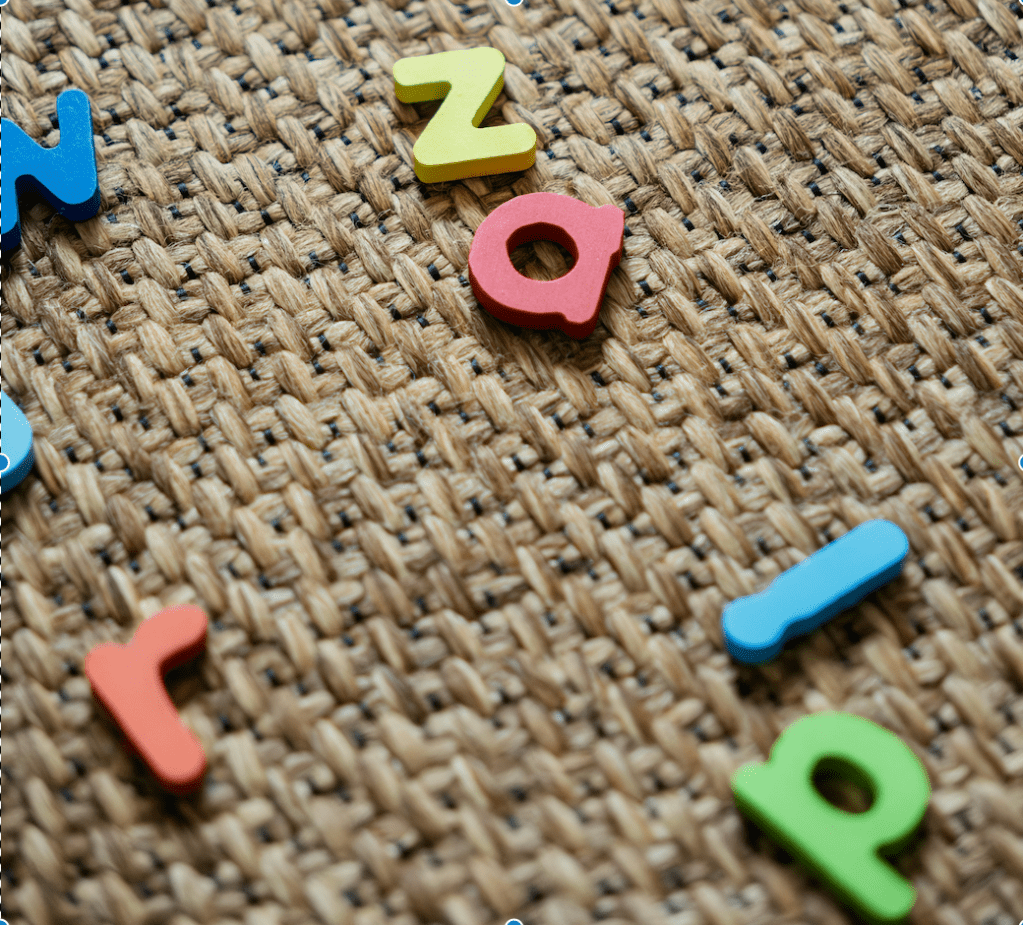
Sounds form the starting point for communication and literacy. The ability to detect and identify individual parts of words and sentences is foundational to being able to read and spell.
Instruction focuses on developing accurate speech sound awareness and production in ways that directly support reading and spelling. This includes strengthening phonological awareness, sound–symbol connections, and speech clarity when it impacts literacy development. Articulation support is provided when speech sound patterns interfere with phonemic awareness, decoding, or spelling.
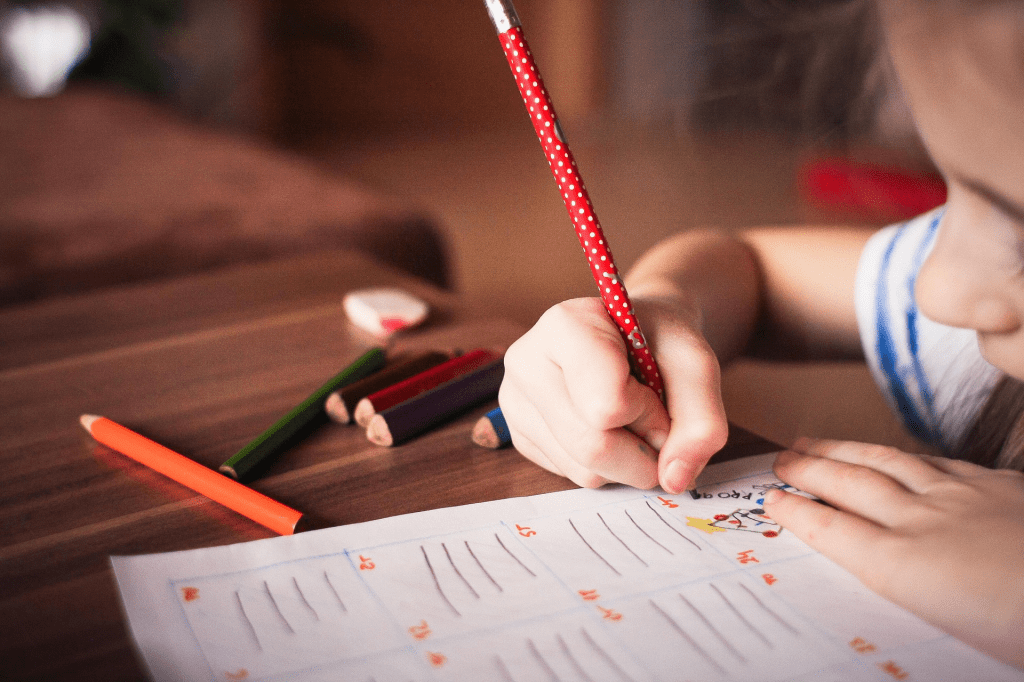
Orthography is how spoken sounds are represented in written words. When people talk about phonics, they are talking about orthography.
Instruction emphasizes understanding spelling patterns and sound–symbol relationships rather than memorizing words. This supports accurate reading, spelling, and the ability to recognize words efficiently in connected text.
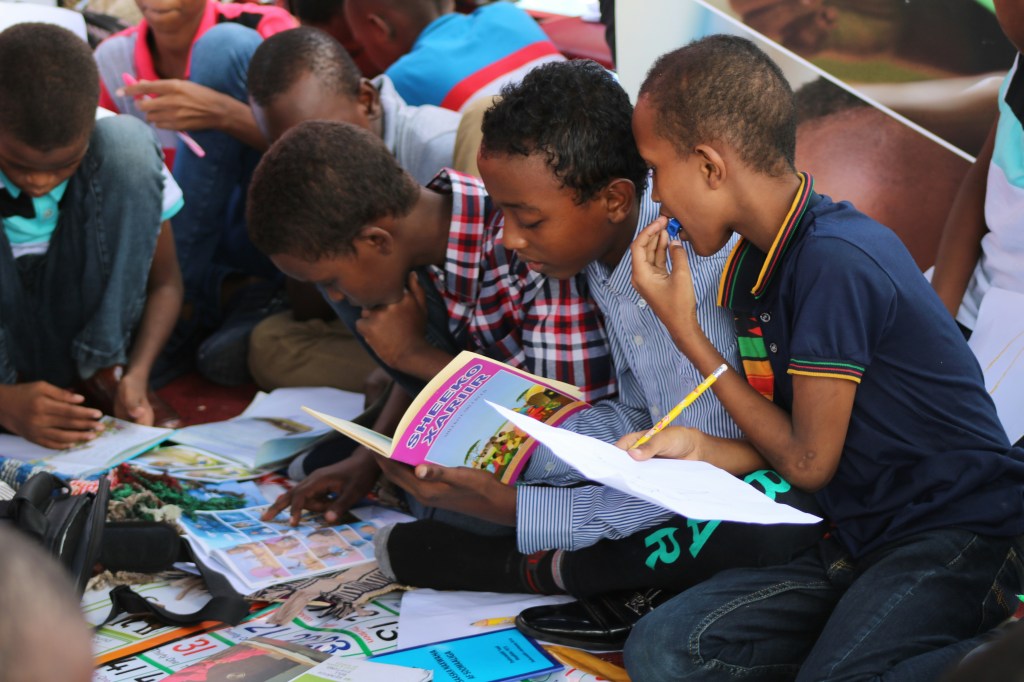
Understanding refers to making meaning from spoken and written language.
Instruction focuses on developing vocabulary, sentence comprehension, and higher-level language skills that support understanding of what is heard and read. This work strengthens the ability to connect words to ideas, integrate information, and comprehend increasingly complex language and text.
 SOUND Skills for Speech, Language, and literacy