Jill Rose-Roger, MS, CCC-SLP, is a Speech-Language Pathologist with more than 25 years of experience supporting language and literacy development. Her work is grounded in a deep understanding of how sounds, spelling patterns, and meaning function together as an integrated system. By addressing language at this foundational level, she helps students build lasting skills that support literacy.
Reading and spelling rely on more than letter knowledge alone. Students must be able to connect speech sounds to spelling patterns, understand word meanings, and make sense of sentences and text—skills rooted in language. When these language systems are weak, literacy difficulties often persist despite instruction focused only on letters or practice.
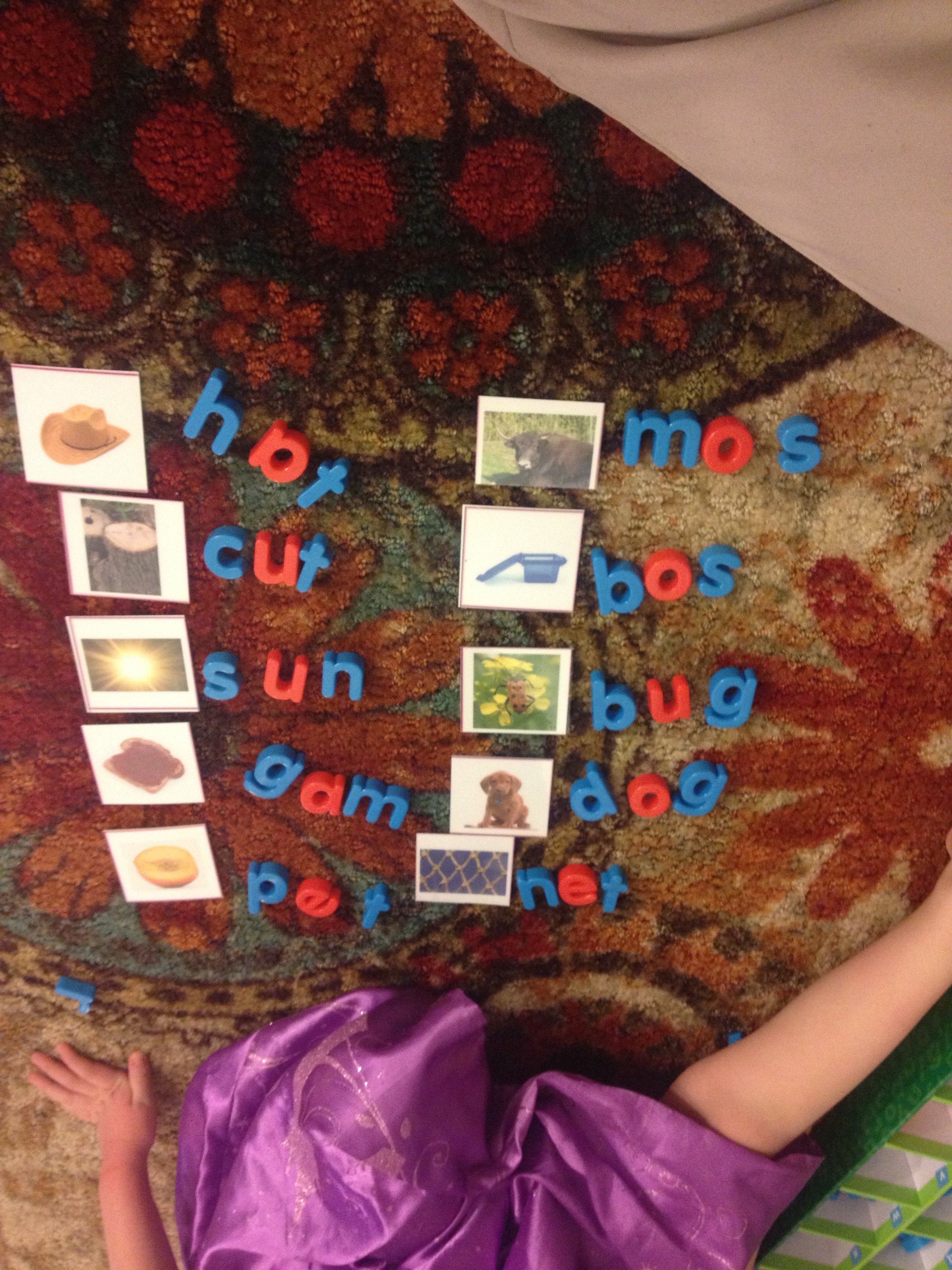
The Language Basis of Dyslexia
Dyslexia is a language-based learning difference that primarily affects how efficiently speech sounds are processed and connected to written symbols. Students with dyslexia often have difficulty identifying, manipulating, and remembering the sounds in words and mapping those sounds to letters and spelling patterns. As a result, reading may be slow or inaccurate, and spelling can remain effortful despite practice.
These challenges are rooted in the language system that supports sound–symbol relationships, not in intelligence, motivation, or visual perception. Effective intervention therefore focuses on strengthening phonological processing, orthographic knowledge, and the connections between sounds and print through structured, explicit instruction. When these language foundations are addressed directly, students with dyslexia can make meaningful progress in reading and spelling.
The Language Basis of Other Reading Disabilities
Not all reading difficulties stem from dyslexia. Some students struggle with reading because of broader or different language weaknesses that affect vocabulary, sentence comprehension, or discourse-level understanding. These students may be able to decode words accurately but have difficulty understanding what they read, following complex sentences, or integrating meaning across a text.
In other cases, language weaknesses may interfere with reading fluency, written expression, or the ability to apply learned skills consistently. These challenges reflect difficulties in language formulation, comprehension, or organization rather than primarily in sound–symbol processing. Effective support for these students addresses the specific language systems involved, alongside instruction in reading and writing, to support both accuracy and understanding.
 SOUND Skills for Speech, Language, and literacy